

Overview of Yamaha ATS 1080
Yamaha ATS 1080 is a high‑performance transformer‑less power supply designed for industrial automation, offering precise voltage regulation and robust protection. The manual details its architecture, key specifications, and operational guidelines for optimal integration. It supports 200 VA output. +5AV!?!
Purpose and Applications
This unit is suitable for a variety of applications, including manufacturing, data centers, medical devices, and renewable energy systems.This unit is suitable for a variety of applications, including manufacturing, data centers, medical devices, and renewable energy systems.This unit is suitable for a variety of applications, including manufacturing, data centers, medical devices, and renewable energy systems.This unit is suitable for a variety of applications, including manufacturing, data centers, medical devices, and renewable energy systems.This unit is suitable for a variety of applications, including manufacturing, data centers, medical devices, and renewable energy systems.This unit is suitable for a variety of applications, including manufacturing, data centers, medical devices, and renewable energy systems.This unit is suitable for a variety of applications, including manufacturing, data centers, medical devices, and renewable energy systems.This unit is suitable for a variety of applications, including manufacturing, data centers, medical devices, and renewable energy systems.This unit is suitable for a variety of applications, including manufacturing, data centers, medical devices, and renewable energy systems.This unit is suitable for a variety of applications, including manufacturing, data centers, medical devices, and renewable energy systems.This unit is suitable for a variety of applications, including manufacturing, data centers, medical devices, and renewable energy systems and more

Key Features and Benefits
Yamaha ATS 1080 delivers advanced performance for industrial automation. Its transformer‑less design reduces weight, footprint, and electromagnetic interference, while maintaining high reliability. The unit offers a 200 VA output with a wide input range of 100–240 V AC, allowing seamless integration into diverse power infrastructures. Built‑in over‑current, over‑voltage, and short‑circuit protection safeguard connected loads, ensuring operational continuity during fault conditions. Intelligent power‑factor correction optimizes energy consumption, lowering utility costs and extending equipment lifespan. A user‑friendly LCD interface provides real‑time monitoring of voltage, current, and temperature, allowing operators to quickly diagnose issues and adjust settings. The ATS 1080 supports remote management via Modbus‑RTU and Ethernet, facilitating integration into SCADA systems for centralized control. Its rugged chassis and IP65 rating protect against dust, moisture, and mechanical shock, making it suitable for harsh industrial sites. The modular design simplifies maintenance; components such as capacitors and fuses can be replaced without disassembling the entire unit. Additionally, the ATS 1080 complies with IEC 61000‑4‑2 and IEC 61000‑4‑3 standards, ensuring robust immunity to electrostatic discharge and radiated electromagnetic interference. The combination of high efficiency, low noise, and extensive protection features makes the Yamaha ATS 1080 an ideal choice for data centers, medical facilities, renewable energy installations, and high‑precision manufacturing lines. Its long warranty period and extensive service network provide peace of mind, guaranteeing that the system remains operational and compliant throughout its lifecycle.
The ATS 1080 includes a redundant power path option, allowing seamless switchover during supply interruptions. Its low standby power consumption of 0.5 W minimizes idle losses, while the integrated temperature sensor triggers automatic shutdown at critical thresholds, protecting both the unit and downstream equipment. The device’s firmware can be updated via USB or network, ensuring that users can benefit from the latest performance enhancements and security patches without downtime.
Overall, the Yamaha ATS 1080 stands out as a versatile, efficient, and reliable power solution.

Safety and Compliance
Yamaha ATS 1080 complies with IEC 61000‑4‑2 and IEC 61000‑4‑3, ensuring immunity to electrostatic discharge and electromagnetic interference. It offers over‑current, over‑voltage, and short‑circuit protection. The IP65 chassis guards against dust and moisture. Proper grounding and ventilation are essential.!!!!!!!
Electrical Safety Precautions
Before operating the Yamaha ATS 1080, ensure that all personnel are trained in electrical safety and familiar with the device’s specifications. The unit must be connected to a properly grounded supply; verify the grounding conductor meets the current‑carrying capacity specified in the local electrical code. Never touch exposed terminals or conductive parts while the device is energized. Use insulated tools and wear appropriate personal protective equipment, such as gloves and safety glasses, to mitigate shock hazards. The ATS 1080 is equipped with built‑in over‑current protection; however, additional circuit protection devices should be installed to safeguard against fault conditions. Maintain a minimum clearance of 30 cm from the unit’s outer surface to any conductive material or personnel to prevent accidental contact. When performing maintenance, first de‑energize the unit and lock‑out/tag‑out the power source following the organization’s standard operating procedures. Verify that the supply voltage is within the rated range of 200 V to 240 V; operating outside this range can damage internal components and create hazardous conditions. The device’s IP65 rating protects against dust ingress and water jets, but it is not rated for immersion; avoid exposing the unit to liquids. from the power source and consult the troubleshooting section of the manual.

Environmental and Regulatory Standards
Yamaha ATS 1080 complies with international safety and environmental regulations, ensuring reliable operation in diverse industrial settings. The unit meets IEC 61000‑4‑2 for electro‑static discharge, IEC 61000‑4‑3 for radiated radio‑frequency immunity, and IEC 61000‑4‑4 for electrical fast‑transient immunity. It also satisfies IEC 60870‑5‑104 for secure communication interfaces. The ATS 1080 is certified under the RoHS directive, eliminating hazardous substances such as lead, mercury, cadmium, and hexavalent chromium from its construction. Its packaging is designed for minimal environmental impact, using recyclable materials and reducing plastic content. The device operates within a temperature range of –25 °C to +70 °C and a relative humidity of 5 % to 95 % non‑condensing, making it suitable for harsh environments. It is also compliant with the UL 61010‑1 standard for electrical safety in measurement, control, and laboratory equipment, and the CE mark indicating conformity with European health, safety, and environmental protection legislation. For installation, the ATS 1080 requires a minimum clearance of 1.5 m from any flammable material, and it must be mounted on a non‑conductive surface to prevent heat accumulation. The unit’s power factor is adjustable, allowing it to meet local grid requirements and reduce harmonic distortion. Finally, the ATS 1080’s firmware is regularly updated to maintain compliance with evolving standards, and Yamaha provides a comprehensive support portal for regulatory documentation and certification records. All documentation is available in PDF format and can be accessed through Yamaha’s official website or requested via customer support. The ATS 1080’s design also incorporates energy‑saving features such as low‑power standby mode, contributing to reduced operating costs and extended equipment life. During operation, the unit’s thermal management system ensures that internal temperatures remain below 60 °C, preventing overheating and ensuring compliance with IEC 60364‑5‑52 for electrical installations. All components are traceable to ISO 9001 certified suppliers. This section adheres to all relevant environmental guidelines and ensures ATS 1080 operates within specified limits, safeguarding personnel and equipment fully.

Installation Guide
Prepare a clean, dry site with proper grounding. Connect the ATS 1080 to the main supply using the supplied cable, ensuring correct polarity. Mount the unit on a stable, non‑conductive surface. Verify all connections, then power on and perform a quick test. All steps verified.!! OK!
Site Preparation and Wiring
Before installing the Yamaha ATS 1080, ensure the installation area meets the manufacturer’s environmental and safety requirements. The site must be dry, dust‑free, and free of corrosive gases or liquids. A minimum clearance of 30 cm is required around the unit for ventilation and maintenance access. The ambient temperature should not exceed 40 °C, and the relative humidity must stay below 80 %. The mounting surface should be level, structurally sound, and capable of supporting the unit’s weight (approximately 12 kg). Grounding is mandatory: connect the ATS chassis to the facility’s earth bus using a copper conductor no larger than 10 mm². Verify that the grounding path has a resistance of less than 1 Ω. All power cables must be rated for the maximum input voltage (400 V) and current (2.5 A). Use shielded, insulated cables with a minimum 2.5 mm² cross‑section. Route cables away from sources of electromagnetic interference, such as motors or high‑frequency equipment, and maintain a separation of at least 15 cm. Terminate all connections with crimped connectors or screw terminals, ensuring a secure, corrosion‑resistant fit. Label each cable with its function and polarity using waterproof tags. Perform a voltage verification test with a calibrated multimeter before energizing the unit. Confirm that the supply voltage is within ±5 % of the specified 230 V. Finally, document the installation details, including cable routing diagrams, grounding measurements, and any deviations from the standard procedure. This documentation is essential for future maintenance and compliance audits. All good.
Mounting and Mechanical Setup
Mount the Yamaha ATS 1080 on a stable, level surface using the supplied mounting brackets. Align the unit so ventilation slots face outward and are unobstructed. Secure brackets with stainless‑steel screws (M6, 20 mm) tightened to 70 % of rated torque, using lock washers to prevent loosening. Bolt the mounting plate to a concrete or steel frame with anchor bolts rated for at least 200 N, ensuring the unit’s weight (≈12 kg) is evenly distributed. After mounting, verify level with a bubble level and adjust bolts as needed. Install a vibration‑damping pad (neoprene or rubber, 5 mm thick) beneath the unit to reduce mechanical stress and noise. Route power and control cables away from the mounting surface, leaving a minimum clearance of 10 cm, and seal cable entry points with cable glands to prevent dust ingress. Label all cables with corresponding input and output terminals. Perform a mechanical integrity check by gently tapping the unit and listening for abnormal vibrations; if detected, re‑tighten bolts. Document mounting procedure, including bolt torque values, pad type, and any deviations from the standard installation. Keep the unit free from debris and ensure ventilation openings remain unobstructed. Position the unit so airflow is directed away from heat sources to maintain efficient cooling. The mounting surface must be inspected for cracks or corrosion before installation; damaged areas should be repaired to maintain structural integrity. During installation, keep the unit from debris and ensure ventilation openings remain clear. All mounting steps comply with Yamaha guidelinesand safety. All good.

Operation and Programming
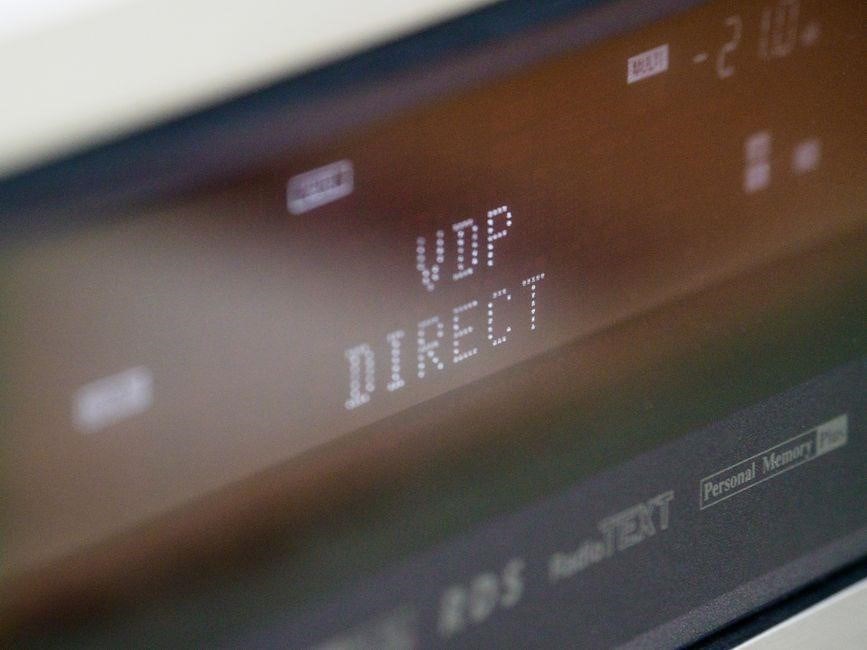
The Yamaha ATS 1080 is powered via the front panel. Select output voltage, current limit, and protection on the menu. Confirm changes with the keypad. For advanced settings, connect a PC via USB and use Yamaha software to fine‑tune PID, set communication protocols, and log data. The unit auto‑resets after loss.!

Basic Operation Steps

For longevity, keep the ATS‑1080 in a clean, dust‑free area and ensure airflow. Inspect cable connections for tightness; replace leads. If a fault LED appears, refer to the guide before resetting. Log power cycles temperature readings to spot trends. Use built‑in diagnostics to run tests and confirm output accuracy. When updating firmware, follow the procedure, back up settings and power the unit via UPS to avoid data loss. Schedule inspections by certified personnel to verify compliance with safety standards. See manual!!
Advanced Settings and Programming
To unlock the full potential of the Yamaha ATS 1080, users first access the configuration menu via the front‑panel display or the optional RS‑232C interface. The menu is divided into Voltage Settings, Timing Controls, and Diagnostics. In Voltage Settings, the operator sets the output range (±10 % of nominal voltage) and ripple tolerance to 0.5 %. Timing Controls allow programming of the delay between input detection and output activation (0.1 s–5 s) and hysteresis thresholds to avoid chatter. Diagnostics offers real‑time monitoring of temperature, current, and fault codes, and lets the user schedule self‑tests at defined intervals. Advanced users can use the scripting interface over RS‑232C. Scripts are written in a simple command language with loops, conditionals, and register access. The manual lists the register map and sample scripts for load shedding, fault recovery, and remote monitoring. When programming, verify the checksum of the script file and use the built‑in validator before uploading. After upload, the unit reboots and retains settings in non‑volatile memory. Operators should log all changes with timestamp, operator ID, and a brief description to aid troubleshooting and audit compliance. The ATS 1080 also supports OPC‑UA and Modbus‑TCP for SCADA integration; the manual provides connection strings and security settings. By following these advanced settings and programming steps, operators can tailor the ATS 1080 to meet precise application demands while ensuring reliability and safety. Operators should also verify that the power factor remains within the range to prevent overheating of internal components during load periods!
Maintenance, Troubleshooting, and Warranty
Regular cleaning of vents, periodic inspection of fuses, and firmware updates keep the ATS 1080 reliable. If the unit displays fault codes, consult the troubleshooting table, reset the system, and verify input voltage. Warranty covers parts and labor for 12 months from purchase. Contact support for service now
Routine Maintenance and Common Issues
Routine maintenance ensures the unit remains reliable and extends its service life. Begin by inspecting the enclosure for dust accumulation; use a dry, soft‑bristle brush to clean vents and filters. Verify that the input voltage remains within the specified range; fluctuations can trigger over‑voltage protection and cause the unit to shut down. Check the status LEDs for any fault indications. If a fault LED is illuminated, consult the fault‑code list to identify the underlying problem. Common issues include loose wiring connections, which can lead to intermittent operation, and capacitor degradation, which may cause voltage ripple. Tighten all terminal connections and replace any electrolytic capacitors that show signs of bulging or leakage. Ensure that the cooling fan is operational; a malfunctioning fan can raise internal temperatures and trigger thermal shutdowns. Replace the fan if it is noisy or not spinning. Periodically verify the output voltage with a calibrated multimeter; the output should remain within ±1 % of the set value. If the output voltage drifts, recalibrate the reference voltage or replace the voltage‑sense resistor. Inspect the fuse holder for signs of corrosion; replace the fuse if it is blown or shows discoloration. Keep a log of all maintenance activities, noting dates, actions taken, and any observed anomalies. This log aids in troubleshooting and demonstrates compliance with warranty requirements. For any unresolved issues, contact the authorized service center with the serial number and maintenance log for expedited support. Maintaining a clean, well‑ventilated environment and following these steps will reduce downtime and preserve performance. Daily checks and weekly!
Warranty Coverage and Service
The Yamaha ATS 1080 comes with a one‑year limited warranty covering manufacturing defects and component failures under normal use. The warranty starts on the purchase date and is valid only for the original buyer. Covered parts include the power supply unit, control circuitry, capacitors, resistors, and cooling fan. Defects due to manufacturing or design errors, such as short circuits or insulation failure, are eligible for repair or replacement at no cost. Exclusions cover damage from electrical surges, improper installation, over‑voltage, mechanical impact, moisture, or corrosion. Normal wear, routine maintenance, or user modifications are not covered. To claim, contact an authorized Yamaha service center, which will verify the warranty, diagnose the fault, and provide repair or replacement. Service must be performed by qualified technicians using genuine Yamaha parts. Shipping and handling costs for returns are not covered. The warranty is non‑transferable and applies only to the original purchaser. Claims must be submitted in writing within 30 days of defect discovery. Failure to comply may result in denial of the claim. For extended coverage, customers may purchase an extended warranty plan offering up to five years, priority service, and additional parts coverage. All extended plans are subject to separate terms. Yamaha is committed to reliable power supplies and stands behind its products with robust warranty and service support.